
The True Cost of Inaccurate Takeoffs
In the highly competitive US construction market, profit margins are notoriously tight. A single missed zero in a concrete pour calculation or an undercounted linear foot of drywall can erase a project’s entire profit before the foundation is even set. For general contractors, developers, and subcontractors, the pressure to bid aggressively while maintaining strict profitability makes mathematical precision an absolute necessity.
Many firms attempt to handle material takeoffs and cost estimating in-house, relying on overworked project managers or junior estimators to crunch the numbers between site visits. While this seems like a cost-saving measure on paper, it frequently leads to rushed calculations, missed scope items, and ultimately, bids that either lose money or lose the job entirely. This is where professional construction takeoff services in the USA step in to bridge the critical gap between raw blueprints and bid-ready budgets. If you’re digging deeper, our overview of Residential Construction Cost Estimate is a useful next read.
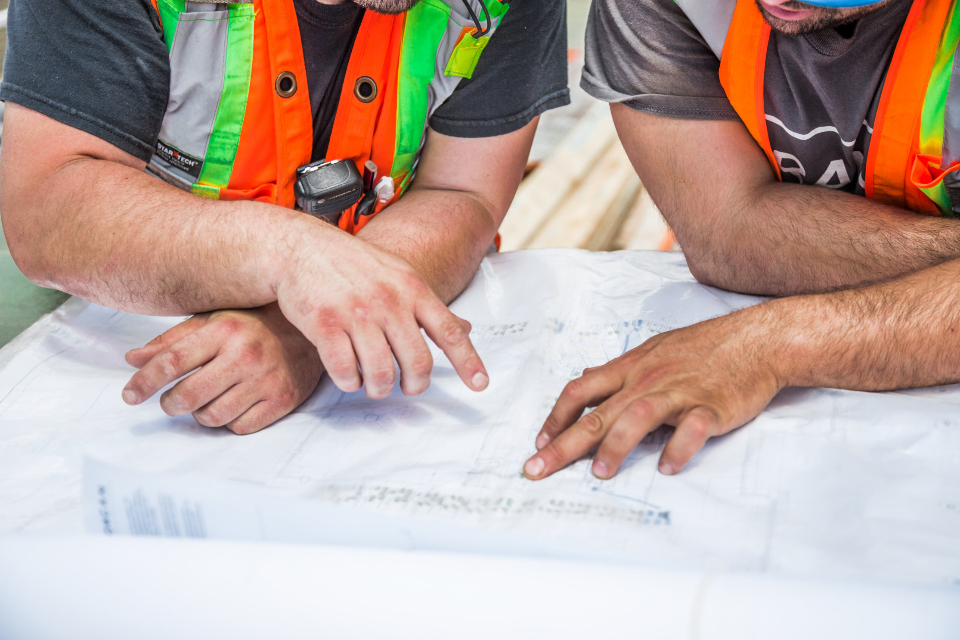
What Professional Construction Takeoff Services Deliver
A professional takeoff is far more than just counting doors and measuring walls on a PDF. It is a comprehensive, line-item extraction of every material, labor hour, and equipment requirement needed to complete a project according to the architectural and engineering drawings. Reputable services use advanced digital takeoff software to measure areas, lengths, and counts directly from digital plans, ensuring a level of mathematical precision that manual scale rulers simply cannot match. If you’re digging deeper, our overview of Bid Ready Construction Estimating is a useful next read. If you’re digging deeper, our overview of construction estimating services is a useful next read.
Beyond raw quantities, top-tier estimating firms apply current, localized USA pricing databases to those extracted quantities. They factor in regional labor rates, material lead times, waste factors, and specific subcontractor market conditions. The final deliverable is a highly detailed, organized estimate—often broken down by CSI MasterFormat divisions—that you can confidently plug into your bidding software to submit a competitive, profitable proposal. If you’re digging deeper, our overview of construction estimating services is a useful next read. You may also want to review Painting Estimating Services as you compare options.
In-House vs. Outsourced Takeoffs: The Margin Breakdown
When evaluating construction takeoff services in the USA, contractors often weigh the cost of outsourcing against maintaining an in-house estimating team. Hiring a full-time, experienced construction estimator in the US typically costs between $75,000 and $110,000 annually, excluding benefits, software licenses, and overhead. Furthermore, that single estimator can only handle a finite number of bids per month, creating a severe bottleneck during peak bidding seasons when multiple large projects hit the market simultaneously.
Outsourcing transforms this heavy fixed overhead into a flexible variable cost. By partnering with a dedicated estimating firm, you pay only for the specific projects you actually intend to bid on. Whether you need a quick conceptual budget for a 5,000-square-foot commercial tenant improvement or a highly detailed hard bid for a multi-story medical facility, you get scalable estimating power without the burden of full-time payroll, allowing you to bid more jobs and increase your overall hit rate. You may also want to review Lumber Takeoff as you compare options.
How to Evaluate and Choose a Legit Estimating Service
Not all estimating companies are created equal, and choosing the wrong partner can be just as damaging as doing the work in-house. When searching for legit construction takeoff services in the USA, look for firms that employ estimators with actual field experience. Software can measure a wall perfectly, but it takes deep industry knowledge to know that a specific wall assembly requires fire-stopping, specialized backing, or unique sequencing that is not explicitly drawn on the plans.
Always request a sample estimate from previous projects similar to your scope before committing. A high-quality deliverable should include a clear scope of work, explicit exclusions, detailed material breakdowns, and realistic labor productivity rates. Additionally, verify their data security protocols, as your blueprints and bid strategies are highly sensitive intellectual property that requires secure file transfer methods and strict confidentiality agreements.
Common Mistakes That Inflate Budgets (And How Pros Fix Them)
Mistake: Ignoring Site Logistics and Access. Estimators often calculate the raw material cost but forget the cost of getting it to the installation point in a dense urban environment. Fix: Professional takeoff services include specific line items for crane time, material hoisting, scaffolding, and site-specific logistical challenges, ensuring these hidden costs do not quietly eat into your project margin.
Mistake: Relying on Outdated Pricing. Using last year’s material costs in a volatile market is a fast track to financial loss. Fix: Reputable USA estimating services subscribe to real-time pricing databases and actively adjust for current supply chain realities, ensuring your bid reflects today’s market conditions rather than yesterday’s outdated numbers.
Mistake: Missing Scope in the Specifications. Focusing only on the drawings while ignoring the project manual is a critical error that leads to massive change orders. Fix: Expert estimators cross-reference the architectural, structural, and MEP drawings with the specification book to catch every required material, finish, and performance standard, preventing costly omissions later.
How to Get a Bid-Ready Estimate for Your Next Project
Securing a reliable estimate starts with providing clear, organized documentation to your estimating partner. Gather your latest architectural, structural, civil, and MEP drawings in high-resolution PDF format. Ensure the plans are legible, scaled correctly, and include all relevant specification books, geotechnical reports, and addenda, as the cleaner your input, the faster and more accurate your output will be.
Once your documents are ready, reach out to a professional estimating firm with a clear timeline and specific expectations. Specify your bid deadline, the exact project location to ensure accurate regional pricing, and any specific formatting requirements your internal bidding software demands. A dedicated estimating partner will review the plans, identify any missing information or RFIs needed, and deliver a comprehensive, bid-ready budget well before your submission deadline.
Conclusion
In the competitive US construction landscape, your ability to win profitable work hinges entirely on the accuracy of your numbers. Relying on professional construction takeoff services eliminates the guesswork, reduces the risk of costly omissions, and frees up your internal team to focus on project execution and business development rather than staring at blueprints late into the night.
Stop leaving your profit margins to chance and start bidding with absolute confidence. If you are ready to transform your blueprints into clear, competitive, and bid-ready budgets, partner with a team that understands the precision your business demands.
Frequently Asked Questions
What is a takeoff service in construction?
A takeoff service is a specialized estimating process where professionals extract detailed material quantities and labor requirements directly from construction blueprints. They use digital software to measure lengths, areas, and counts, which are then priced out to create a comprehensive project budget. This ensures contractors have an accurate foundation for submitting competitive and profitable bids.
What is the best construction takeoff software?
The best software depends on your specific trade and project scale, but industry leaders include PlanSwift, Bluebeam Revu, and On-Screen Takeoff. These platforms allow estimators to perform highly accurate digital measurements directly from PDF plans. Many professional estimating services also integrate these tools with pricing databases like RSMeans for seamless cost calculation.
Are remote estimators a reliable option for US contractors?
Yes, remote estimators are a highly reliable and increasingly popular option for US contractors looking to scale their bidding capacity. As long as the estimating firm uses secure file-sharing protocols and employs experienced professionals familiar with US building codes and regional pricing, location is not a barrier. Remote services often provide faster turnaround times and more flexible pricing than hiring local, in-house staff.
How do I know if an estimating service company is legit?
A legitimate estimating company will have a proven track record, verifiable client references, and estimators with actual field construction experience. They should be willing to provide sample estimates that demonstrate clear scope definitions, explicit exclusions, and detailed line-item breakdowns. Additionally, they will use professional, secure communication channels and sign non-disclosure agreements to protect your bid strategies.
Why is so much construction takeoff and estimation work outsourced?
Contractors outsource takeoff work primarily to convert heavy fixed payroll costs into flexible variable costs, allowing them to bid more projects without hiring full-time staff. It also eliminates the bottleneck of having a limited number of in-house estimators during peak bidding seasons. Ultimately, outsourcing ensures that bids are prepared by dedicated specialists using the latest software and pricing data, reducing the risk of costly errors.